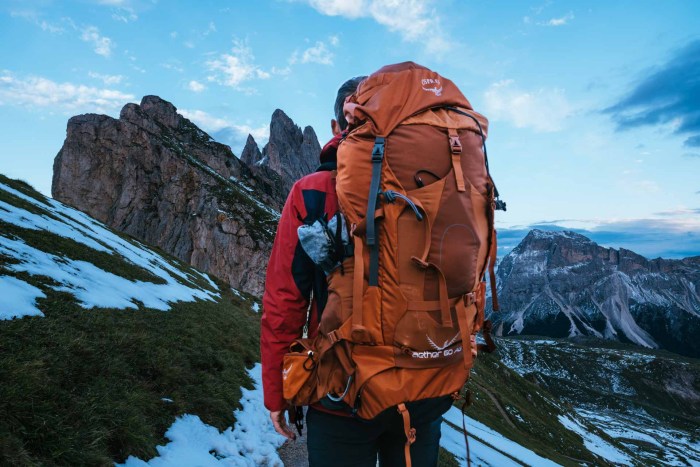
Starting with Hiking Safety and First Aid Tips, this guide aims to equip outdoor enthusiasts with crucial information to stay safe and prepared on their adventures. From preventing accidents to dealing with common injuries, let’s delve into the essentials of hiking safety and first aid.
Hiking Safety and First Aid Tips
Carrying a first aid kit while hiking is essential as it allows you to address minor injuries and medical issues that may arise on the trails, providing immediate care until further assistance can be obtained.
Common Injuries Encountered on Hiking Trails
- Sprains and strains: Caused by uneven terrain or overexertion, these injuries can be managed with rest, ice, compression, and elevation.
- Blisters: Resulting from friction between the foot and shoe, proper footwear and blister care can prevent discomfort and infection.
- Cuts and scrapes: Sharp rocks or branches can cause minor cuts or scrapes, which should be cleaned and covered to prevent infection.
Tips to Prevent Accidents While Hiking
- Stay on marked trails to avoid getting lost or injured in unfamiliar terrain.
- Wear appropriate clothing and footwear to protect yourself from environmental hazards like sun exposure or insect bites.
- Stay hydrated and carry enough water to prevent dehydration, especially in hot weather.
Essential Safety Measures in Remote Areas
- Inform someone of your hiking plans, including your route and expected return time, in case of emergencies.
- Pack extra food, water, and clothing to prepare for unexpected delays or emergencies that may prolong your hike.
- Carry a whistle or signaling device to attract attention in case you need to call for help in remote areas.
Hiking and Trekking
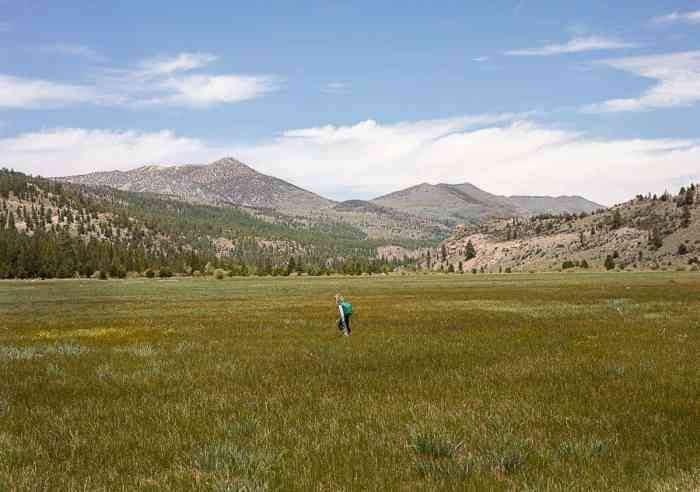
When it comes to outdoor activities, hiking and trekking are two popular choices for nature enthusiasts. While both involve walking in natural environments, there are some key differences between the two.Hiking is usually a shorter, less intense activity that can be completed in a day. It often follows well-marked trails and does not require extensive planning or specialized equipment. On the other hand, trekking typically involves longer journeys that span multiple days or even weeks.
Treks may take you through remote and challenging terrain, requiring careful preparation and a higher level of physical fitness.
Equipment for Day Hike vs. Multi-Day Trek
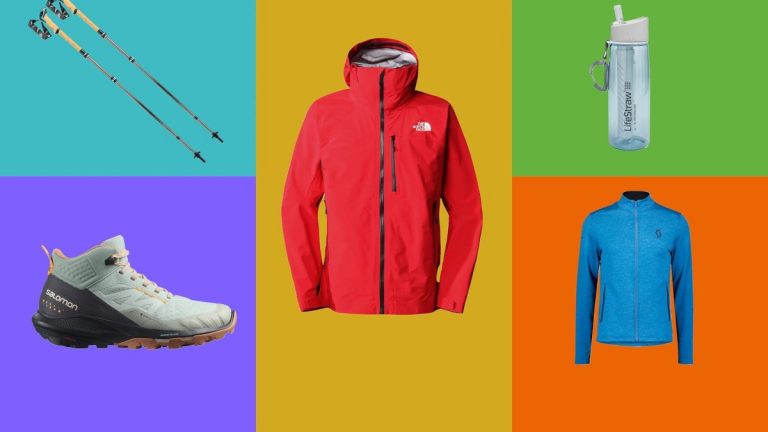
For a day hike, you’ll need basic essentials such as sturdy hiking boots, water, snacks, a map, and a first aid kit. Multi-day treks require additional gear like a tent, sleeping bag, cooking supplies, and extra clothing layers to prepare for changing weather conditions.
Preparing for a Challenging Hike or Trek
Physical preparation is crucial for tackling a challenging hike or trek. Build up your endurance and strength through regular exercise, focusing on cardiovascular and lower body workouts. Mental preparation is also key – visualize success, set realistic goals, and stay positive even when faced with obstacles.
Personal Experiences
One of my most memorable hiking adventures was summiting a challenging peak in the Rocky Mountains. The trail was steep and rugged, but the breathtaking views at the top made it all worth it. I learned the importance of pacing myself, staying hydrated, and never underestimating the power of nature.
Mountain Adventures
Mountain hiking offers a unique thrill and challenge that attracts adventure enthusiasts from around the world. The breathtaking views, fresh mountain air, and sense of accomplishment make it a truly rewarding experience. However, mountain hiking also presents its own set of challenges that require careful preparation and knowledge to ensure a safe and enjoyable adventure.
Safety Tips for Mountain Hiking
- Acclimate to high altitudes gradually to prevent altitude sickness. Stay hydrated, avoid alcohol, and know the symptoms of altitude sickness.
- Always check the weather forecast before heading out and be prepared for sudden changes in weather conditions. Dress in layers and pack extra clothing for warmth.
- Carry essential gear such as a map, compass, first aid kit, and extra food and water. Be prepared for emergencies and know basic first aid skills.
- Hike with a partner or in a group, and let someone know your planned route and expected return time. Stay on marked trails and follow all safety guidelines.
Weather Conditions and Preparation
Weather conditions can significantly impact mountain adventures, with sudden changes in temperature, wind, and precipitation posing risks to hikers. It is essential to be prepared for all types of weather and make informed decisions based on current conditions.
Must-Visit Mountain Trails
There are countless stunning mountain trails around the world waiting to be explored. Some of the must-visit mountain trails include the Inca Trail in Peru, the Tour du Mont Blanc in Europe, the Milford Track in New Zealand, and the Everest Base Camp Trek in Nepal. Each trail offers its own unique challenges and rewards for hikers seeking adventure in the mountains.
Safari and Wildlife Tours
When embarking on a safari or wildlife tour, it is essential to prioritize safety at all times. Interacting with wildlife requires caution and respect for the animals and their environment. Additionally, understanding the significance of conservation in wildlife tourism is crucial to ensure the sustainability of these experiences for future generations. Let’s delve into some key aspects related to safari and wildlife tours.
Safety Precautions during Safari or Wildlife Tour
- Avoid approaching wild animals too closely, maintaining a safe distance at all times.
- Follow the instructions provided by experienced guides and rangers to ensure a secure and enjoyable experience.
- Stay inside designated vehicles or viewing areas to minimize the risk of encounters with potentially dangerous wildlife.
- Carry essential supplies like water, sunscreen, insect repellent, and any necessary medications for unforeseen situations.
- Respect the wildlife’s natural habitat and refrain from littering or disturbing the environment.
Responsible Interaction with Wildlife
- Observe wildlife from a distance without interrupting their natural behavior or habitat.
- Avoid feeding wild animals, as it can disrupt their diet and lead to dependency on humans.
- Do not attempt to touch or provoke any wildlife, as it can result in dangerous consequences for both parties.
- Capture memories through photography without using flash, which can startle or distress animals.
Importance of Conservation in Wildlife Tourism
Conservation efforts are vital to protect endangered species and preserve biodiversity for future generations.
- Support ethical wildlife tourism practices that prioritize animal welfare and environmental sustainability.
- Contribute to conservation initiatives through responsible tourism choices and donations to reputable organizations.
- Educate yourself and others about the importance of conservation in maintaining the delicate balance of ecosystems.
Memorable Wildlife Encounter during Safari
During a safari in Africa, I had the incredible opportunity to witness a family of elephants crossing a river together. It was a breathtaking sight to see these majestic creatures moving gracefully in their natural habitat, emphasizing the importance of protecting and cherishing wildlife for future generations to appreciate.
Extreme Sports Travel
When it comes to extreme sports travel, the thrill and excitement are unmatched. However, it is crucial to prioritize safety and be well-prepared for the challenges that come with activities like paragliding or bungee jumping.
Safety Measures for Extreme Sports Activities
- Always check the credentials and experience of the operators before booking any extreme sports adventure.
- Ensure that all safety equipment is in good condition and meets industry standards.
- Listen carefully to the instructions provided by the guides and follow all safety protocols without any exceptions.
- Stay within your comfort zone and avoid taking unnecessary risks that could jeopardize your safety.
Adrenaline Rush and Challenges
Participating in extreme sports brings about a rush of adrenaline like no other. The challenges faced during these activities test your limits and push you to conquer your fears.
Finding Reputable Operators
- Read reviews and testimonials from previous participants to gauge the reputation of the operators.
- Look for certifications and accreditations that demonstrate the credibility of the extreme sports company.
- Ask for recommendations from fellow adventure enthusiasts or travel forums to find trusted operators.
Recommendations for Extreme Sports Destinations, Hiking Safety and First Aid Tips
| Destination | Popular Extreme Sports |
| New Zealand | Bungee jumping, skydiving, white-water rafting |
| Switzerland | Paragliding, skiing, snowboarding |
| Hawaii, USA | Surfing, cliff diving, shark cage diving |
| South Africa | Bungee jumping, shark cage diving, sandboarding |
Scuba Diving Destinations
When embarking on scuba diving adventures, there are unique safety considerations that divers must be aware of to ensure a safe and enjoyable experience. From proper equipment maintenance to understanding underwater currents and marine life behavior, being prepared is key to a successful dive.
Safety Considerations for Scuba Diving
Scuba diving involves exploring the beauty of underwater ecosystems and encountering a diverse range of marine life. It is essential for divers to be well-trained in using their equipment, understanding dive signals, and knowing how to respond in case of emergencies. Proper buoyancy control, monitoring air supply, and staying within safe depth limits are crucial for a safe dive.
Underwater Ecosystems and Marine Life
The underwater world offers a mesmerizing glimpse into vibrant ecosystems teeming with colorful corals, fish, and other marine creatures. Divers have the opportunity to witness the intricate balance of life beneath the surface, from tiny seahorses to majestic sharks. Respecting marine life and following sustainable diving practices are essential to preserving these delicate ecosystems for future generations.
Choosing the Right Scuba Diving Certification Course
When selecting a scuba diving certification course, it is important to choose a reputable diving school with experienced instructors. Look for courses that offer comprehensive training in dive theory, practical skills, and emergency procedures. Certification from recognized diving agencies like PADI or NAUI ensures that you receive quality instruction and are well-prepared for diving in various environments.
Top Scuba Diving Destinations with Vibrant Marine Biodiversity
- The Great Barrier Reef, Australia: Known for its stunning coral reefs and diverse marine species, this iconic destination offers a kaleidoscope of colors beneath the surface.
- Raja Ampat, Indonesia: Home to one of the highest marine biodiversity in the world, Raja Ampat boasts crystal-clear waters and an abundance of marine life.
- Galapagos Islands, Ecuador: Dive among hammerhead sharks, sea lions, and marine iguanas in this unique archipelago famous for its endemic species.
4. Maldives
With its clear waters, thriving coral reefs, and encounters with manta rays and whale sharks, the Maldives is a paradise for divers seeking a tropical underwater paradise.
5. Palau
Explore underwater caves, WWII shipwrecks, and a rich diversity of marine life in the pristine waters of Palau.
Adventure Travel Blogs: Hiking Safety And First Aid Tips
Adventure travel blogs have gained popularity for their ability to inspire and inform readers about unique and thrilling travel experiences. These blogs often focus on outdoor activities, extreme sports, and off-the-beaten-path destinations, catering to adventurous souls seeking adrenaline-pumping adventures. Successful adventure travel blogs share captivating stories, practical tips, stunning photography, and valuable insights that resonate with their audience.
Key Elements of Successful Adventure Travel Blogs
- Compelling storytelling that engages readers and creates a sense of excitement and wanderlust.
- High-quality photography and videos that capture the essence of the adventure and transport the audience to the destination.
- Expert tips and advice on adventure activities, gear, safety, and travel planning.
- Authenticity and personal touch, sharing genuine experiences and emotions to connect with readers on a deeper level.
- Consistent posting schedule to maintain reader interest and loyalty.
How Personal Experiences and Storytelling Enhance Adventure Travel Blogs
Personal experiences and storytelling play a crucial role in making adventure travel blogs truly captivating and memorable. By sharing firsthand accounts of adventures, bloggers can evoke emotions, create suspense, and build a connection with their audience. Readers are drawn to authentic stories that provide insights into the challenges, triumphs, and lessons learned during the journey. Through personal narratives, bloggers can inspire, educate, and entertain their readers, making the travel experience more relatable and engaging.
Tips for Aspiring Adventure Travel Bloggers
- Be authentic and genuine in sharing your experiences and perspectives.
- Create compelling and unique content that stands out in the crowded travel blogging space.
- Focus on a niche or specific theme within the adventure travel genre to attract a targeted audience.
- Engage with your readers through comments, social media, and interactive content.
- Collaborate with other travel bloggers, brands, and tourism boards to expand your reach and network.
Popular Adventure Travel Blogs and What Sets Them Apart
- The Adventure Junkies: Known for in-depth gear reviews, expert advice, and comprehensive guides for outdoor enthusiasts.
- Nomadic Matt: Combines budget travel tips with adventurous stories from around the world, appealing to a wide audience.
- Expert Vagabond: Showcases stunning photography and thrilling adventures, inspiring readers to explore off-the-beaten-path destinations.
- The Broke Backpacker: Focuses on budget travel, backpacking tips, and adventurous experiences in remote and exotic locations.
Rock Climbing Trips
Rock climbing trips offer a thrilling adventure for those seeking a challenge in the great outdoors. Whether climbing indoors at a gym or scaling natural rock formations, safety is paramount to ensure a successful and enjoyable experience. Here are some essential safety practices, equipment requirements, and the benefits of rock climbing as an adventure sport.
Essential Safety Practices for Rock Climbing Adventures
- Always check your gear before climbing to ensure everything is properly secured and in good condition.
- Double-check knots and harness buckles to prevent any accidents while climbing.
- Communicate effectively with your climbing partner to ensure a safe and coordinated ascent.
- Stay focused and aware of your surroundings at all times to avoid potential hazards.
- Learn and practice proper belaying techniques to ensure a safe descent.
Equipment Required for Indoor Versus Outdoor Rock Climbing
- Indoor Climbing: Climbing shoes, harness, chalk bag, belay device, and helmet for safety.
- Outdoor Climbing: In addition to indoor gear, outdoor climbing requires ropes, carabiners, quickdraws, and anchor systems for protection.
Mental and Physical Benefits of Rock Climbing
- Improves strength, endurance, and flexibility through full-body workout.
- Boosts problem-solving skills and mental focus while strategizing routes.
- Enhances confidence and self-esteem as you overcome challenges and reach new heights.
- Provides a sense of accomplishment and satisfaction upon completing difficult climbs.
Personal Achievements or Challenges Faced During a Rock Climbing Trip
- Conquering a fear of heights and pushing personal limits to achieve a challenging climb.
- Successfully leading a route and navigating difficult terrain with precision and skill.
- Building trust and communication with climbing partners to overcome obstacles together.
- Experiencing the beauty of nature from a unique perspective while climbing in stunning locations.
Beaten Path Adventures
When it comes to travel adventures, there is a distinction between “beaten path” experiences and off-the-beaten-path exploration. The beaten path refers to well-known tourist destinations that are popular and frequented by many travelers. On the other hand, off-the-beaten-path adventures involve exploring lesser-known destinations that are often untouched by mass tourism.
Allure of Popular Tourist Destinations vs. Hidden Gems
Popular tourist destinations often offer iconic landmarks, well-developed infrastructure, and a plethora of tourist activities. These destinations are popular for a reason – they are known for their beauty, historical significance, and cultural attractions. However, hidden gems off the beaten path offer a more authentic and unique experience. They provide the opportunity to immerse oneself in local culture, discover untouched natural beauty, and escape the crowds.
Tips for Travelers Seeking Unique Experiences
- Research Offbeat Destinations: Look for destinations that are not commonly visited by tourists but offer rich cultural experiences.
- Engage with Locals: Interact with locals to learn about their way of life, traditions, and customs.
- Explore Nature: Venture into remote areas to discover hidden natural wonders and landscapes.
- Try Local Cuisine: Taste traditional dishes and beverages to truly experience the local flavor.
Offbeat Destinations for Authentic Cultural Experiences
| Destination | Highlights |
|---|---|
| Luang Prabang, Laos | Explore ancient temples, witness almsgiving ceremonies, and stroll through local markets. |
| Salta, Argentina | Experience Andean culture, visit colorful villages, and taste regional wines. |
| Svaneti, Georgia | Trek in the Caucasus Mountains, visit medieval towers, and learn about local traditions. |
Winter Sports Travel
Winter sports like skiing, snowboarding, and ice climbing offer a unique thrill and adventure, but they also come with their own set of challenges. It’s important to take safety precautions and choose the right gear to ensure a fun and safe experience.
Safety Precautions for Winter Sports
- Always check weather conditions and avalanche risks before heading out.
- Wear appropriate protective gear such as helmets, goggles, and gloves.
- Stay within marked trails and boundaries to avoid getting lost or injured.
- Take lessons from certified instructors to improve your skills and knowledge.
Choosing the Right Gear and Clothing
- Invest in quality winter sports gear that fits well and provides proper insulation.
- Layer clothing to stay warm and dry, and choose waterproof materials.
- Ensure your boots are comfortable and provide good ankle support for skiing and snowboarding.
- Pack extra layers, snacks, and water in case of emergencies or unexpected weather changes.
Top Winter Sports Destinations
- Whistler, Canada: Known for its world-class skiing and snowboarding terrain.
- Chamonix, France: Offers challenging slopes and stunning alpine scenery.
- Niseko, Japan: Famous for its powder snow and variety of winter sports activities.
- Aspen, USA: A popular destination for skiers and snowboarders of all skill levels.
Desert Expeditions
Embarking on a desert expedition requires careful planning and consideration of safety measures to ensure a successful and enjoyable journey. One of the key aspects to focus on during desert expeditions is maintaining proper hydration and protecting yourself from the intense desert sun.
Safety Considerations for Desert Expeditions
- Always carry an ample supply of water to prevent dehydration, as desert environments can quickly sap your body of fluids.
- Wear lightweight, breathable clothing that covers your skin to protect against sunburns and excessive heat exposure.
- Use sunscreen with a high SPF rating to shield your skin from the harsh UV rays present in desert regions.
- Be mindful of wildlife encounters and avoid contact with potentially dangerous creatures that inhabit desert areas.
Exploring the Beauty of Desert Landscapes
Deserts are not just barren wastelands but are home to unique ecosystems and stunning landscapes that showcase nature’s resilience. The flora and fauna found in deserts have adapted to survive in extreme conditions, making them both fascinating and beautiful to observe.
Tips for Navigating Desert Terrain
- Learn basic navigation skills or carry a GPS device to avoid getting lost in vast desert expanses with minimal landmarks.
- Pack essential supplies such as a first aid kit, emergency shelter, and extra food and water to cope with unforeseen circumstances.
- Acclimate yourself to the desert environment gradually to prevent heat-related illnesses and exhaustion.
Must-Visit Desert Destinations
For a truly memorable desert experience, consider visiting renowned desert destinations that offer both natural beauty and cultural significance:
- Sahara Desert, Africa: Explore the world’s largest hot desert known for its vast sand dunes and nomadic tribes.
- Atacama Desert, Chile: Witness the breathtaking landscapes of the driest desert on Earth, with salt flats, geysers, and lunar-like terrain.
- Wadi Rum, Jordan: Discover the red sandstone cliffs and rock formations of this desert valley, famous for its archaeological sites and Bedouin culture.
In conclusion, prioritizing safety and being prepared with first aid knowledge can make a significant difference in the outcome of any hiking expedition. Remember, a safe hike is a successful hike. Stay informed, stay safe, and enjoy the great outdoors responsibly.
Question Bank
What should be included in a basic first aid kit for hiking?
Your basic hiking first aid kit should include bandages, antiseptic wipes, pain relievers, tweezers, and adhesive tape.
How can hikers prevent blisters while trekking long distances?
To prevent blisters, make sure your footwear fits well, wear moisture-wicking socks, and consider using blister prevention products like moleskin.
What safety measures should be taken when hiking in bear country?
When hiking in bear country, make noise to avoid surprising bears, carry bear spray, and know how to react in case of a bear encounter.
Is it necessary to bring a compass and map on every hiking trip?
Yes, it’s essential to have navigation tools like a compass and map on every hiking trip, even if you’re familiar with the trail.
What should hikers do in case of a medical emergency on a remote trail?
In case of a medical emergency on a remote trail, stay calm, assess the situation, provide basic first aid, and if possible, call for help using a satellite communicator or emergency beacon.