Popular Rock Climbing Locations in Europe: Embark on a thrilling journey through the top destinations and unique features that define rock climbing in Europe. From challenging routes to historical significance, explore the best spots for climbing enthusiasts.
Europe offers a diverse landscape for rock climbers, with each location presenting its own set of challenges and rewards. Whether you’re a seasoned climber or a beginner looking to test your skills, these popular rock climbing destinations have something for everyone.
Popular Rock Climbing Locations in Europe
Europe is home to some of the most renowned rock climbing destinations in the world, offering a diverse range of landscapes and challenges for climbers of all levels. Let’s explore the top rock climbing locations in Europe and what makes them unique.
Fontainebleau, France
Fontainebleau is a paradise for bouldering enthusiasts, known for its iconic sandstone boulders and unique climbing style that emphasizes technique and problem-solving skills. The area offers a vast array of boulders scattered throughout the forest, with routes ranging from beginner to advanced levels. Climbers can enjoy the picturesque surroundings and historical significance of this popular climbing spot.
Siurana, Spain
Siurana is a limestone paradise located in Catalonia, Spain, offering steep cliffs and challenging routes for sport climbers. Climbers can test their skills on overhanging walls and vertical faces, with routes that cater to both intermediate and advanced climbers. The stunning views of the Siurana reservoir and the rich history of the area add to the allure of this world-class climbing destination.
Lofoten, Norway
Lofoten, an archipelago in Norway, is a mecca for trad climbers seeking adventure in a breathtaking setting. The granite walls rise dramatically from the sea, offering a unique climbing experience surrounded by stunning fjords and majestic peaks. Climbers can tackle a variety of routes, from single-pitch climbs to multi-pitch classics, making Lofoten a must-visit destination for those looking for a true wilderness experience.
Peak District, United Kingdom
The Peak District in the UK is a traditional climbing haven, known for its gritstone edges and classic routes that have challenged climbers for generations. The area offers a mix of gritstone and limestone crags, providing a variety of climbing styles and difficulties for climbers of all abilities. With a rich climbing history dating back to the early 20th century, the Peak District holds a special place in the hearts of climbers around the world.
Hiking and Trekking
Hiking and trekking are both popular outdoor activities that involve walking in natural environments, but they have some key differences. Hiking is typically a leisurely walk on well-marked trails, usually lasting a few hours to a full day. It is suitable for people of all fitness levels and ages, making it a great introduction to outdoor activities.
On the other hand, trekking involves longer and more challenging journeys, often spanning multiple days and covering more rugged terrain. It requires a higher level of fitness and endurance compared to hiking.
Tips for Beginners, Popular Rock Climbing Locations in Europe
For beginners interested in hiking and trekking in Europe, here are some tips to keep in mind:
- Start with shorter and easier trails to build up your stamina and confidence.
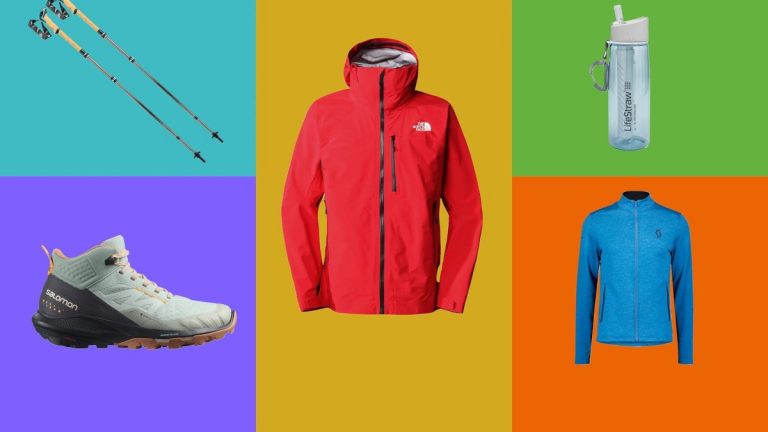
- Invest in proper hiking boots and clothing to ensure comfort and safety on the trails.
- Carry essential gear such as a map, compass, first aid kit, and plenty of water.
- Join a guided tour or hike with experienced friends to learn basic skills and techniques.
- Respect nature and follow trail etiquette to preserve the environment for future hikers.
Best Trails and Routes
Europe offers a wide range of stunning trails and routes for hiking and trekking adventures. Some of the best options include:
- The Tour du Mont Blanc in the Alps, a challenging trek with breathtaking views of snow-capped peaks.
- The Camino de Santiago in Spain, a historic pilgrimage trail with diverse landscapes and cultural experiences.
- The West Highland Way in Scotland, a classic long-distance hike through rugged mountains and tranquil lochs.
- The Cinque Terre coastal trail in Italy, a picturesque route along the Mediterranean Sea with colorful villages.
Safety Measures and Essentials
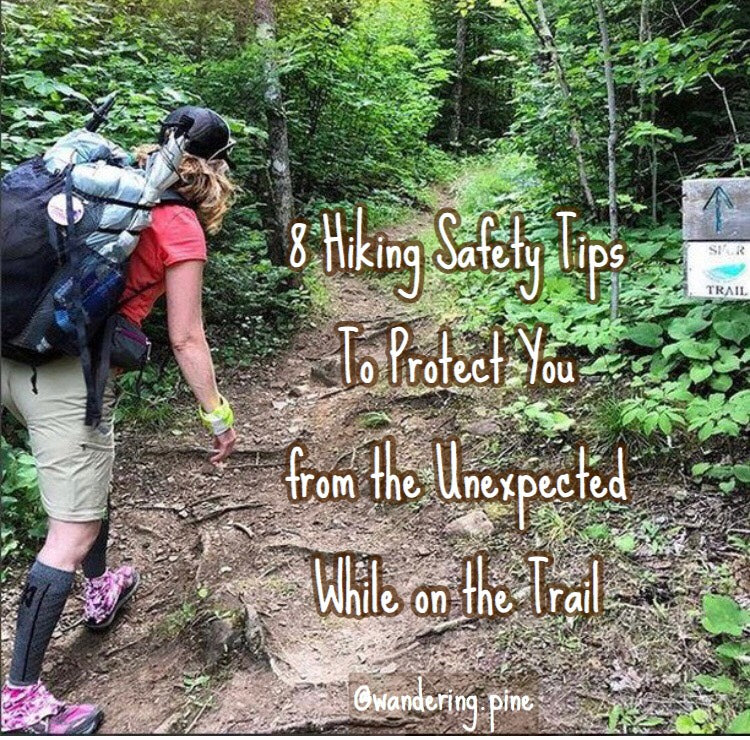
When embarking on hiking and trekking trips in Europe, it is important to prioritize safety and be prepared for any challenges that may arise. Here are some safety measures and essentials to consider:
- Check the weather forecast and trail conditions before setting out on your journey.
- Inform someone about your plans and expected return time, especially for solo hikes.
- Pack enough food, water, and emergency supplies to last the duration of your hike or trek.
- Stay on marked trails and follow signposts to avoid getting lost in unfamiliar terrain.
- Be mindful of wildlife and potential hazards such as steep cliffs, slippery rocks, or sudden weather changes.
Mountain Adventures: Popular Rock Climbing Locations In Europe
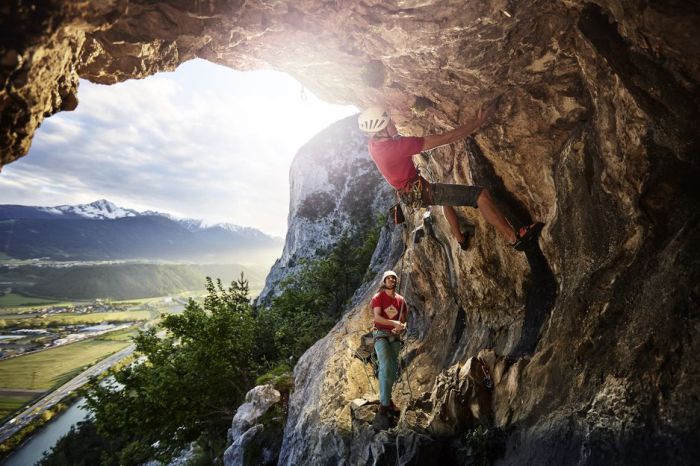
Europe is home to a variety of stunning mountain ranges that offer thrilling adventures for outdoor enthusiasts. From mountaineering to skiing and snowboarding, there are endless opportunities to explore the rugged beauty of the European mountains.
Types of Mountain Adventures
- Mountaineering: Scaling peaks and cliffs, often involving technical climbing skills and equipment.
- Skiing: Gliding down snowy slopes on skis, enjoying the adrenaline rush of speed and precision.
- Snowboarding: Riding a snowboard down slopes, performing tricks and enjoying the thrill of freestyle riding.
Challenges and Rewards
Mountain adventures in Europe come with their fair share of challenges, including unpredictable weather, rugged terrain, and physical demands. However, the rewards are immeasurable – breathtaking views, a sense of accomplishment, and unforgettable experiences that will stay with you forever.
Must-Visit Mountain Adventure Destinations in Europe
- Chamonix, France: Known as the “Gateway to the European Alps,” Chamonix offers world-class mountaineering and skiing opportunities.
- Zermatt, Switzerland: Home to the iconic Matterhorn peak, Zermatt is a paradise for mountaineers and skiers alike.
- Dolomites, Italy: A UNESCO World Heritage Site, the Dolomites offer stunning rock formations for mountaineering and breathtaking slopes for skiing.
Safari and Wildlife Tours
Europe may not be the first continent that comes to mind when thinking about safaris and wildlife tours, but it offers unique opportunities to encounter diverse wildlife in stunning natural settings. From the rugged landscapes of Scandinavia to the Mediterranean coast, Europe boasts a variety of ecosystems that support a rich array of wildlife species.
Unique Wildlife Species in Europe
Europe is home to a wide range of wildlife species that can be spotted during safari tours. Some of the unique animals that you may encounter include brown bears in Finland, lynx in Romania, wild boar in Germany, and chamois in the French Alps. Birdwatchers can also enjoy sightings of rare species such as golden eagles and bearded vultures in the Pyrenees.
Conservation Efforts and Initiatives
Conservation efforts related to wildlife tours in Europe focus on protecting endangered species, preserving habitats, and promoting sustainable tourism practices. Many countries have established national parks and wildlife reserves to safeguard their natural heritage and promote eco-friendly tourism. Local communities often play a vital role in conservation efforts by supporting wildlife monitoring programs and sustainable development initiatives.
Best Times to Experience Safari and Wildlife Tours
The best times of the year to experience safari and wildlife tours in Europe vary depending on the region and the species you wish to see. Spring and early summer are ideal for birdwatching and wildflower spotting in countries like Spain and Portugal. For mammal sightings, autumn offers the opportunity to witness the rutting season of deer and other large mammals in countries like Scotland and Norway.
Winter can also be a magical time for wildlife tours, with the chance to see snow leopards in the Caucasus or polar bears in Svalbard.
Extreme Sports Travel
When it comes to extreme sports, Europe is a popular destination for adrenaline junkies seeking thrilling experiences in breathtaking landscapes. From snow-capped mountains to rugged coastlines, Europe offers a wide range of extreme sports activities for adventure seekers.
Types of Extreme Sports Activities
- Rock Climbing: Scale towering cliffs and rocky crags in destinations like the Dolomites in Italy or Meteora in Greece.
- Skydiving: Experience the ultimate adrenaline rush by skydiving over stunning landscapes such as Interlaken in Switzerland or Seville in Spain.
- White Water Rafting: Navigate through fast-flowing rivers and rapids in locations like the Tara River Canyon in Montenegro or the Ardeche River in France.
- Mountain Biking: Ride down epic trails in the Alps or Pyrenees mountains for an exhilarating biking experience.
Safety Regulations and Precautions
Before engaging in extreme sports during travel in Europe, it’s essential to prioritize safety. Make sure to follow all guidelines provided by experienced instructors, wear appropriate safety gear, and be aware of weather conditions and terrain challenges. Always choose reputable operators and check their safety records before participating in any extreme sports activities.
Personal Experiences and Recommendations
- For a unique skydiving experience, consider jumping over the Swiss Alps for panoramic views of snow-capped peaks.
- If you’re a rock climbing enthusiast, explore the limestone cliffs of Kalymnos in Greece for challenging routes and stunning coastal scenery.
- White water rafting in the Tara River Canyon in Montenegro offers a thrilling adventure through Europe’s deepest river canyon surrounded by pristine wilderness.
Scuba Diving Destinations
Europe offers some incredible scuba diving locations that cater to divers of all levels. From vibrant marine life to fascinating underwater landscapes, there is something for everyone to explore beneath the surface.
Top Scuba Diving Locations in Europe
- The Azores, Portugal: Known for its crystal-clear waters and diverse marine life, including manta rays and whale sharks.
- The Mediterranean Sea: Offers a variety of dive sites with colorful coral reefs, underwater caves, and shipwrecks to discover.
- The Red Sea, Egypt: Renowned for its visibility and abundance of marine species such as dolphins, sharks, and turtles.
Marine Life and Underwater Landscapes
These scuba diving destinations in Europe are teeming with marine life such as colorful fish, octopuses, and sea turtles. The underwater landscapes feature stunning coral formations, underwater rock formations, and exciting shipwrecks to explore.
Best Seasons for Scuba Diving
- The Mediterranean Sea: Ideal for diving from May to October when the waters are warm and visibility is high.
- The Azores, Portugal: Best visited from June to September for optimal diving conditions.
- The Red Sea, Egypt: Diving is great year-round, but the summer months offer warm waters and excellent visibility.
Unique Diving Experiences
Some scuba diving destinations in Europe offer unique experiences such as night diving to witness nocturnal marine life, drift diving along strong currents, and diving with sharks in controlled environments.
Tips for Beginners, Popular Rock Climbing Locations in Europe
- Take a scuba diving certification course to learn the basics before diving in Europe.
- Start with easy dive sites suitable for beginners to build confidence underwater.
- Always dive with a certified instructor or guide to ensure safety and enjoyment.
Adventure Travel Blogs
Adventure travel blogs focusing on Europe are a valuable resource for travelers looking for inspiration, tips, and information on exciting destinations and activities. These blogs play a crucial role in educating and motivating adventure seekers to explore the diverse landscapes and experiences that Europe has to offer.
Types of Content on Adventure Travel Blogs
Adventure travel blogs covering Europe typically include a wide range of content such as destination guides, travel tips, personal travel stories, gear reviews, adventure travel photography, and detailed itineraries. These blogs often feature first-hand accounts of thrilling experiences like rock climbing, hiking, trekking, mountain biking, and more.
Popular Adventure Travel Blogs for Europe
//www.nomadicmatt.com”>Nomadic Matt : Matt’s blog provides practical advice and budget travel tips for those looking to explore Europe’s outdoor wonders.